At a glance 12 flags across tricolor, sun, and symbol families
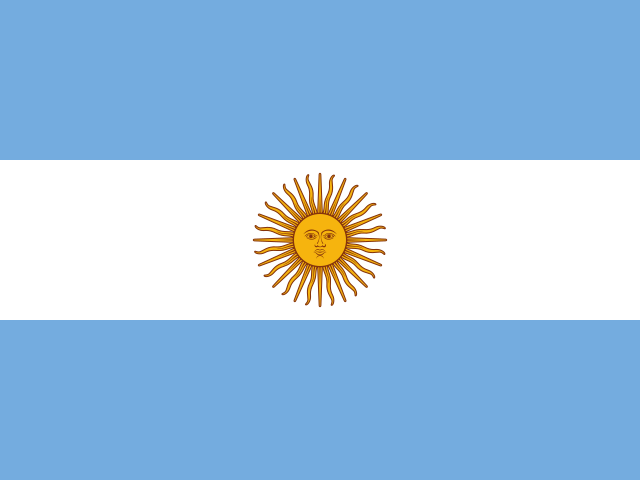
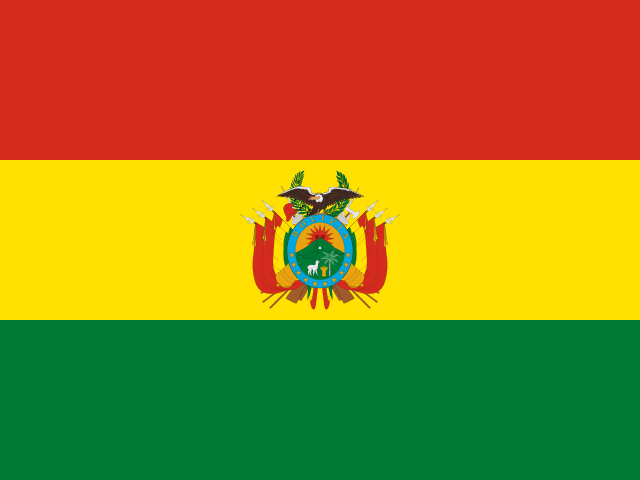
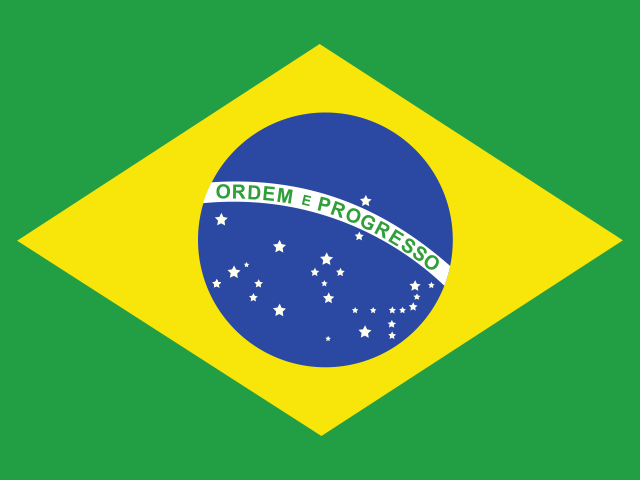
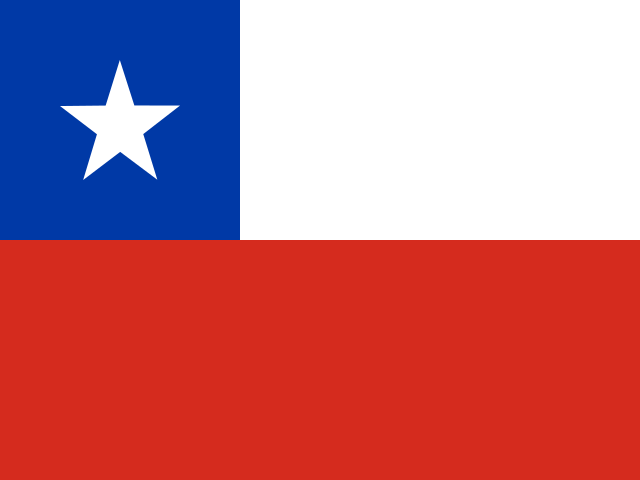
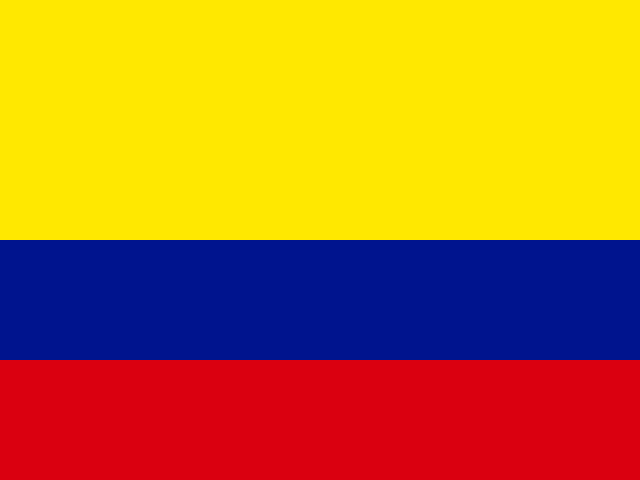
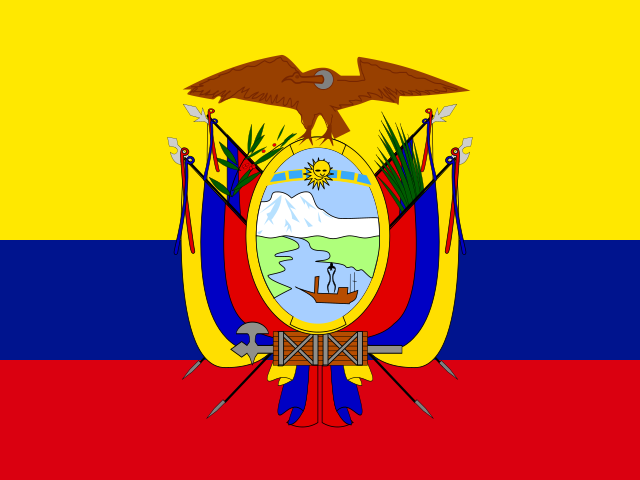
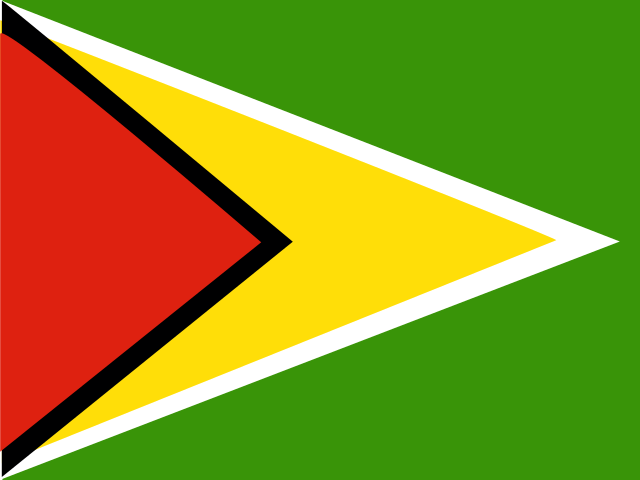
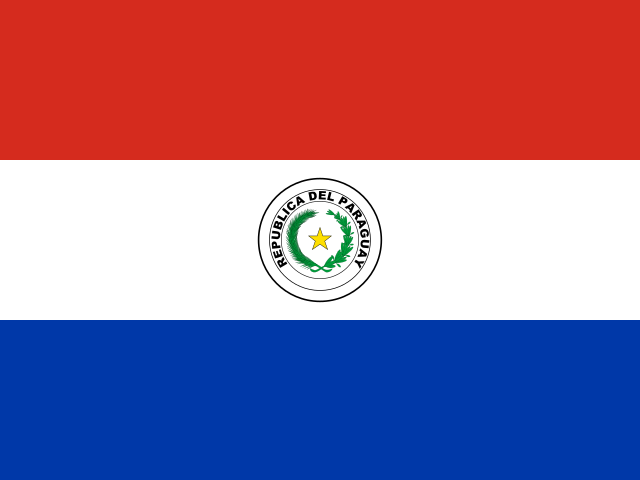
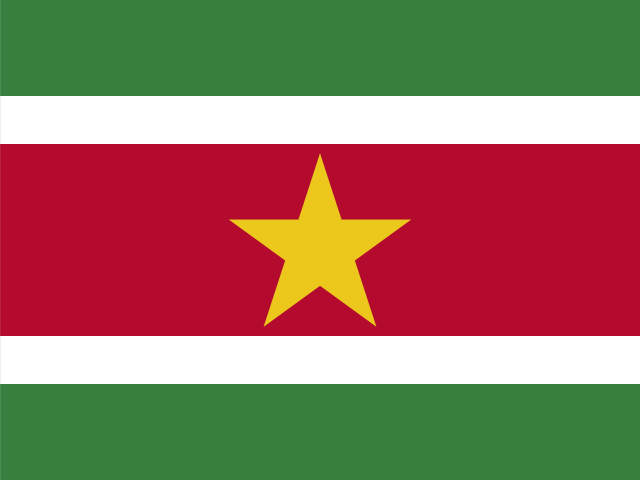
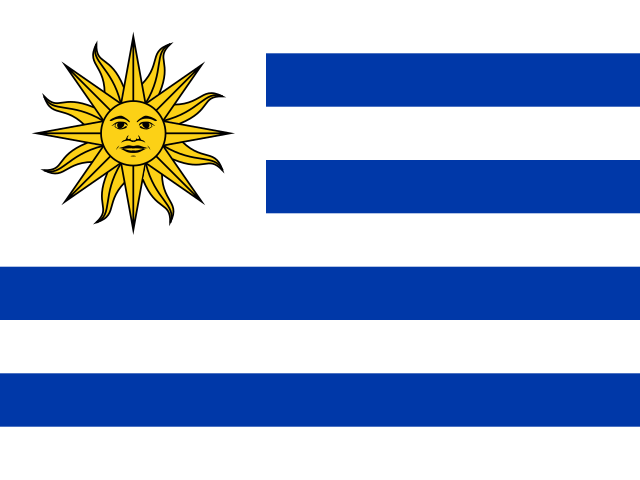
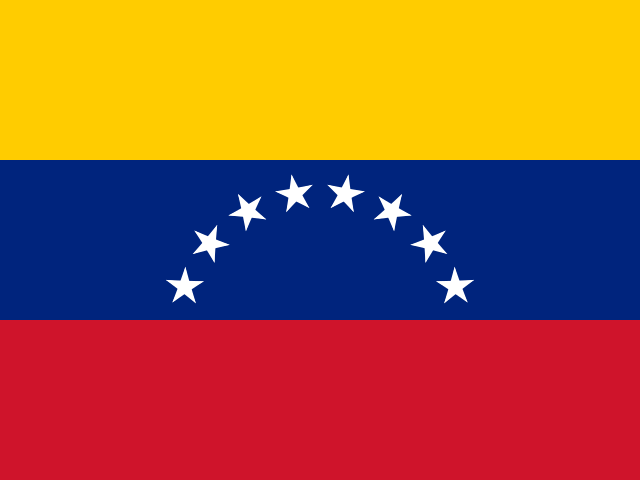
The Gran Colombia family appears on Colombia, Ecuador, and Venezuela, with yellow, blue, and red carried forward from the federation that broke apart in the 1800s. The Sun of May family links Argentina and Uruguay, giving the Río de la Plata flags a shared independence symbol. Symbol-led flags include Brazil's celestial globe, Guyana's Golden Arrowhead, Chile's lone star, Paraguay's different front and back emblems, and Suriname's central star. The tightest near-miss is Colombia vs. Ecuador: both start with a wide yellow stripe, but Ecuador adds a coat of arms.
Who plays it For classrooms, homeschoolers, and culture students
Teachers and homeschool families use South American flags for Latin America studies, Hispanic Heritage Month, world geography, Spanish and Portuguese units, and independence-history lessons because designs open a concrete conversation about symbolism. Students use the page for Geography Bee, Model UN, Model OAS, and AP coverage of the continent. Sports fans preparing for Copa America, World Cup qualifiers, Olympic ceremonies, flag design, and vexillology practice fit naturally here too.
How to learn Learn by color family, then drill confusion pairs
Sort into families first. Start with the Gran Colombia yellow-blue-red cluster and drill Colombia, Ecuador, and Venezuela by stripe proportions, coat of arms, and stars. The Sun of May pair, Argentina and Uruguay, forms a neat second bundle because both use pale blue, white, and a golden sun. Symbol flags give satisfying wins: Brazil, Guyana, Chile, and Paraguay. Use Spotter for fast visual sorting, then say the country name aloud before clicking so recognition becomes retrieval practice. Finish with Colombia vs. Ecuador: similar bands, but only Ecuador carries the coat of arms. Then add Argentina vs. Uruguay: center sun versus canton sun plus stripes.