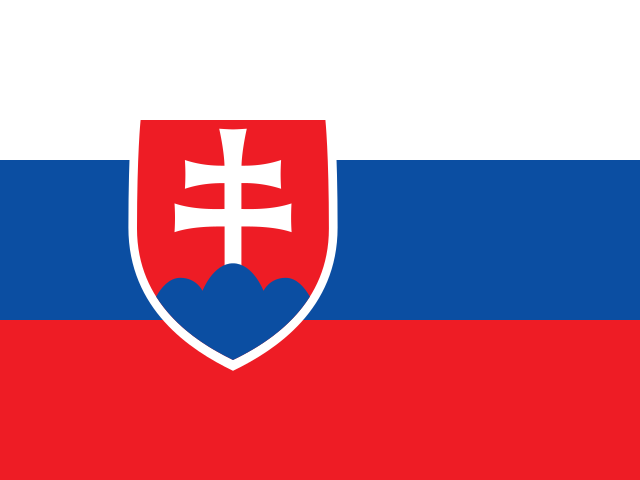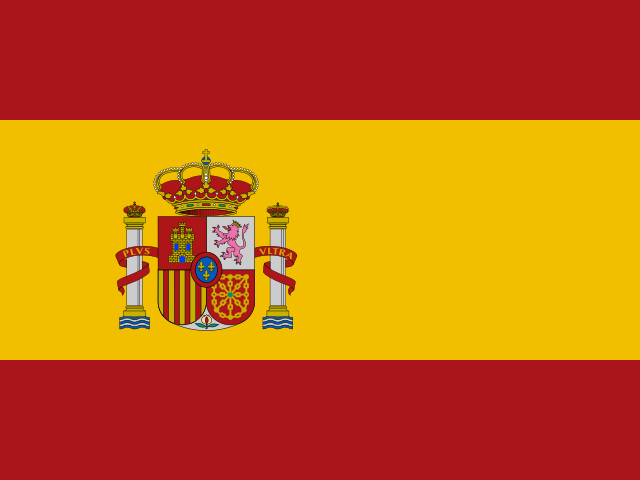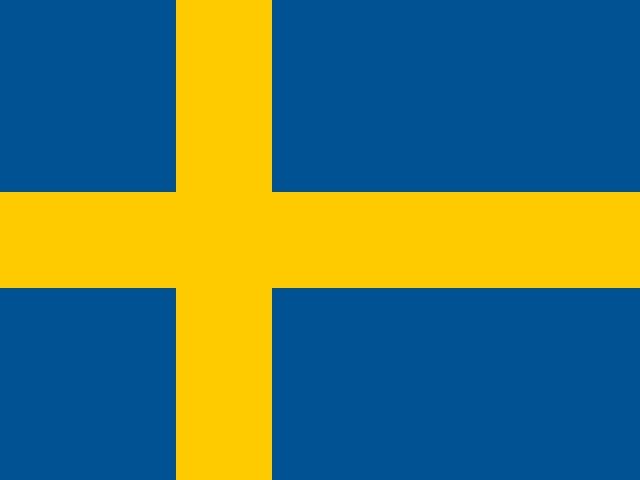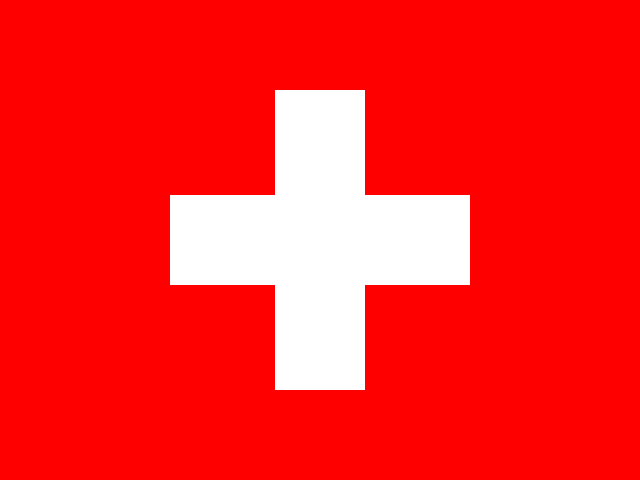
Europe Map Learning Games

Start here for continent-wide European map quiz practice and country-specific geography games. The three main paths cover all 50 European countries, capitals, and flags, while the country links below open focused regional practice for places such as France, Germany, Italy, and United Kingdom. Start with the continent overview when the whole map still feels loose, then choose a country when a lesson, trip, heritage project, or classroom unit needs regions, local capitals, or regional flags where available.

Choose a Europe practice path below: countries, capitals, or flags.
Play Free

Europe Games

Choose the right European geography path

Start with the full Europe countries game to build the map: borders, islands, microstates, and regional placement. Move to capitals once country names feel familiar but government seats still blur, then use flags for visual recognition. For focused practice, choose a specific European country below to work on its regions, local capitals, or regional flags where available.

Frequently asked questions

Which European geography game should I start with?

Start with country placement, then move to capitals, then flags. The sequence gives every later answer a map location, which makes active recall steadier than memorizing lists in isolation.
What does this European geography practice cover?

It gathers practice for all 50 European countries across three connected skills: map placement, capital recall, and flag recognition. Each game focuses on one skill so the practice does not blur together.

What age or grade is this European geography practice for?

The games work well for kids ages 8 and up, homeschool families, and grades 4-10 social studies classes. Older students can use Seeker mode for AP Human Geography, Geography Bee, Model UN, or Model EU review.
Are these European geography games free to play?

Yes. Every account includes free daily play across the European countries, capitals, and flags games, with no ads. Teachers can use them as a classroom bell-ringer, station activity, or quick unit review while keeping each learner's progress tracked.

How is this different from Seterra and Sporcle?

Seterra and Sporcle are strong quiz libraries, but this European path is built around a structured learning ladder: Spotter for guided recognition, Seeker for map-based recall, and Master for free recall once the learner is ready. Progress tracking, 90% mastery gates, and ad-free daily play keep the experience focused on learning rather than one-off quiz runs.

How is this different from GeoGuessr?

GeoGuessr is built around real-world location guessing. This European geography path is more direct for learning countries, capitals, and flags because each question targets a specific answer and ties it back to the political map.