55 African countries across 5 regions, 6 islands, and 16 landlocked states
Africa's 55 UN-recognized sovereign states group into North Africa (6 countries), West Africa (16), Central Africa (9), East Africa (18), and Southern Africa (5). Six are island nations (Cape Verde, Comoros, Madagascar, Mauritius, Sao Tome and Principe, and Seychelles); 16 are landlocked. South Sudan is the newest UN member (2011), Algeria is the largest by area, and Nigeria is the most populous.
Capital recall for all 55 African countries, trick answers included
Africa's capital cities reward map-based recall because the answer is often not the largest city. Anchors like Cairo, Nairobi, Addis Ababa, and Accra stick first, then six classic trick capitals (Abuja, Yamoussoukro, Dodoma, Gitega, Lilongwe, and Porto-Novo) take repeated practice, plus Ciudad de la Paz after Equatorial Guinea made it official in January 2026 to replace Malabo. South Africa's three-capital system and Eswatini's administrative and royal-legislative split add two more systems to drill.
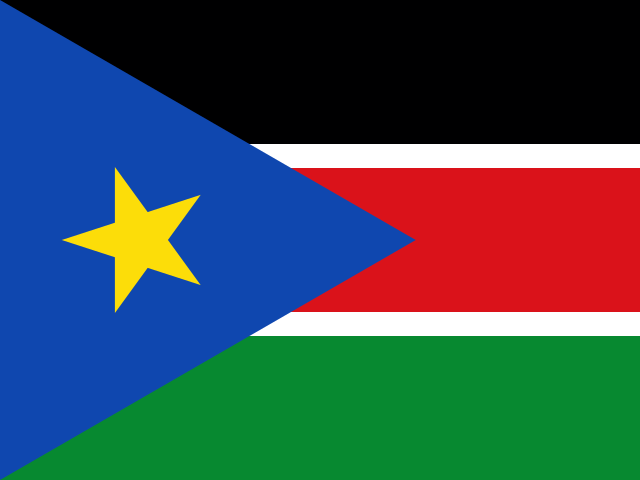
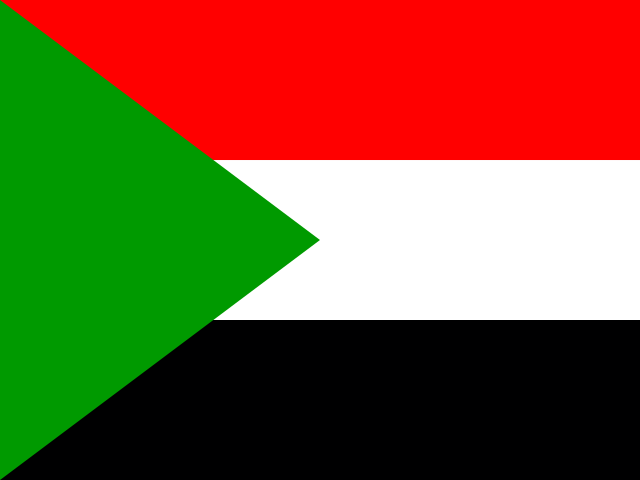
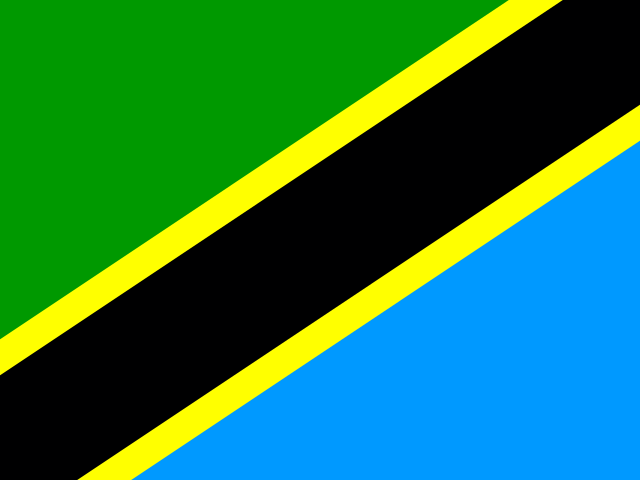
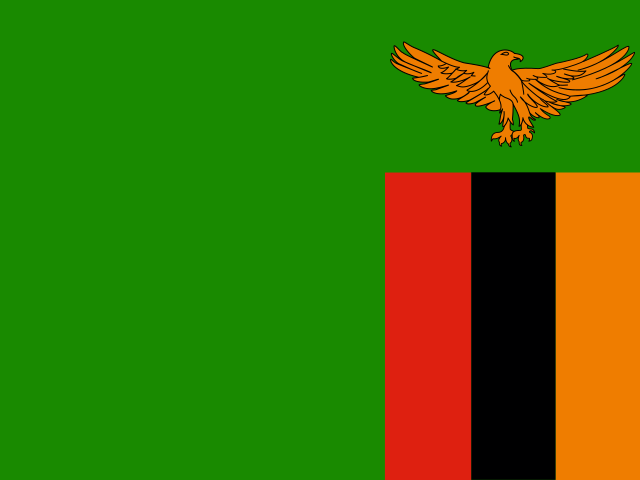
55 African flags grouped into pan-African, crescent, and symbol families
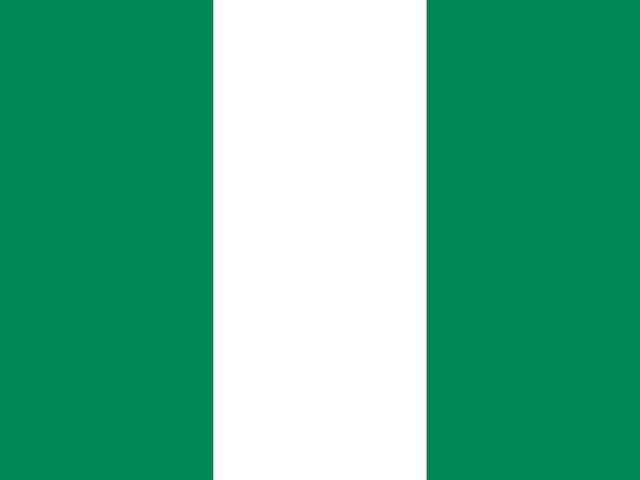
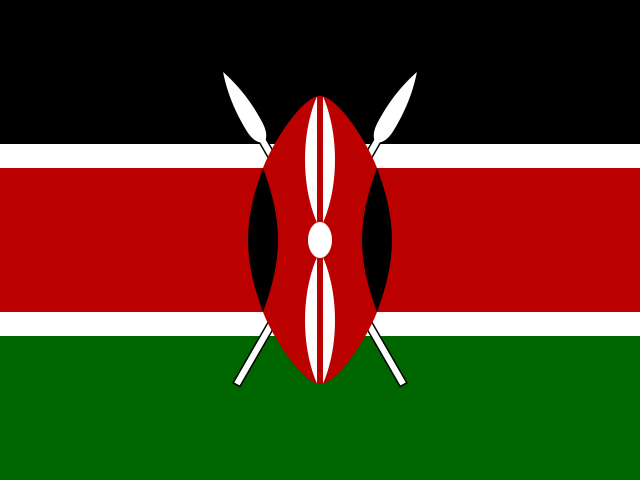
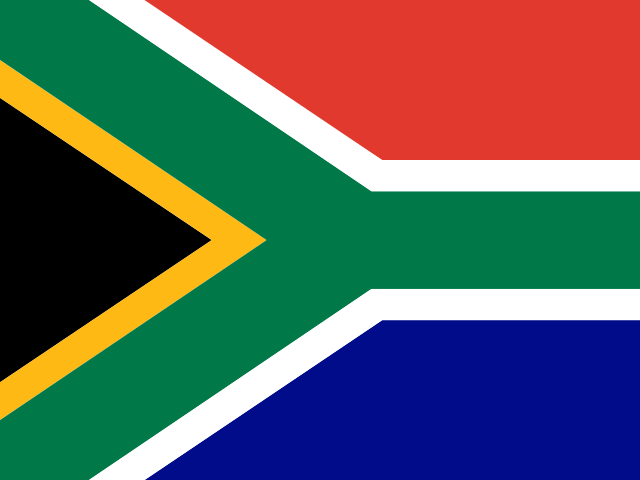
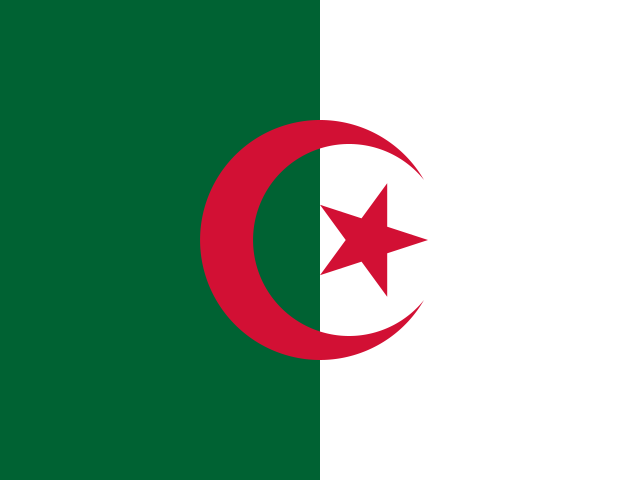
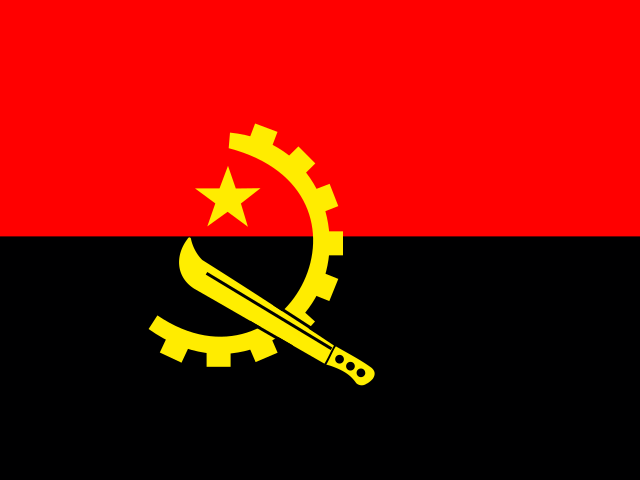
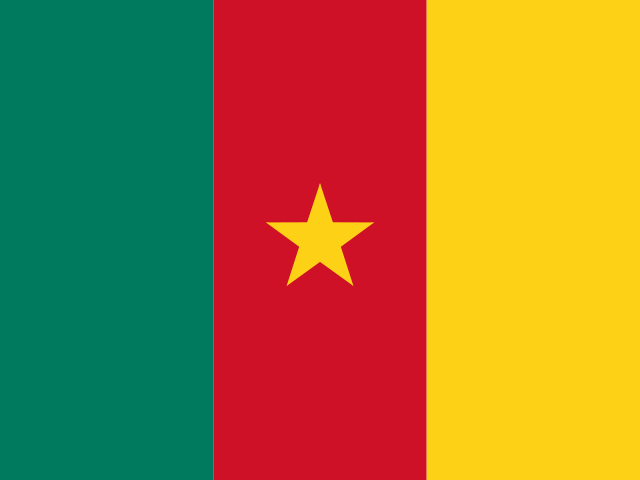
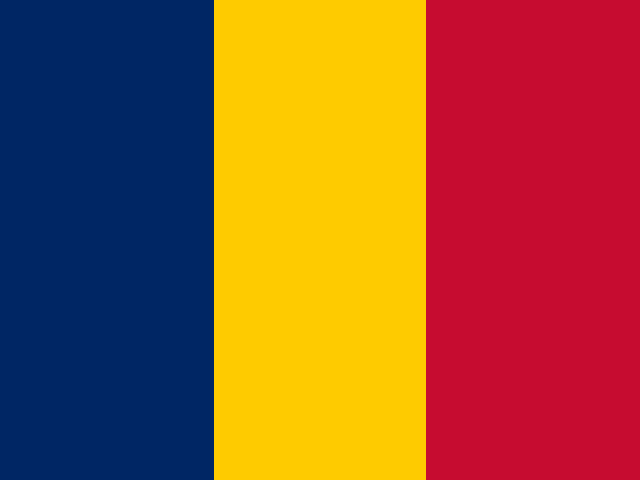
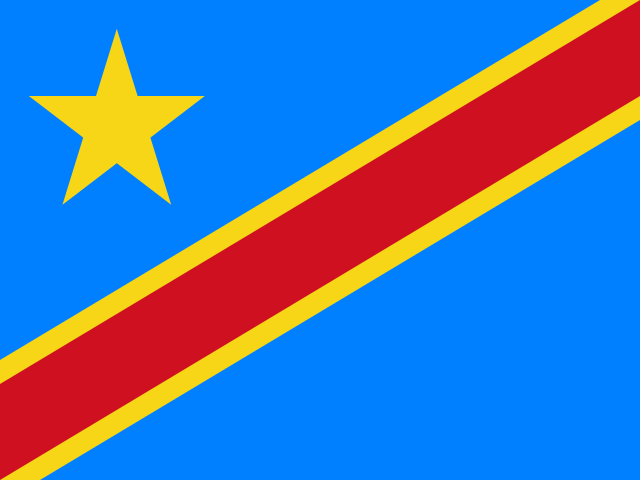
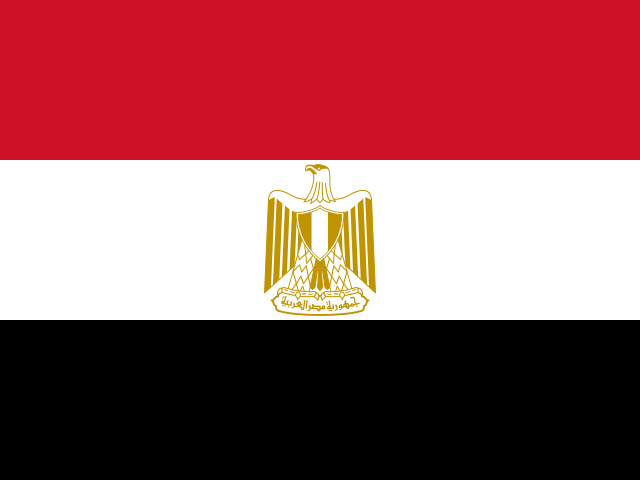
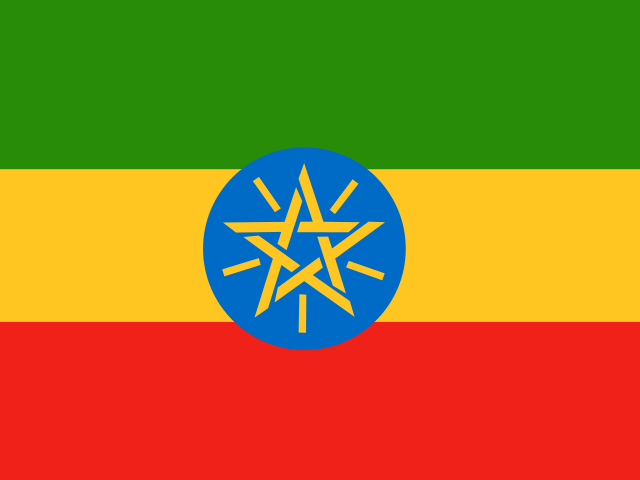
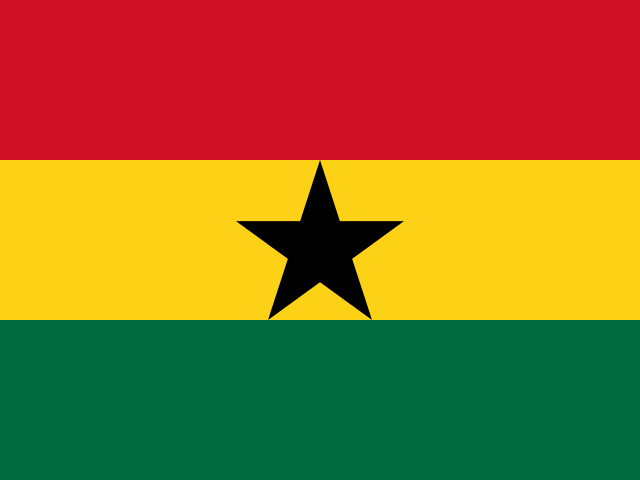
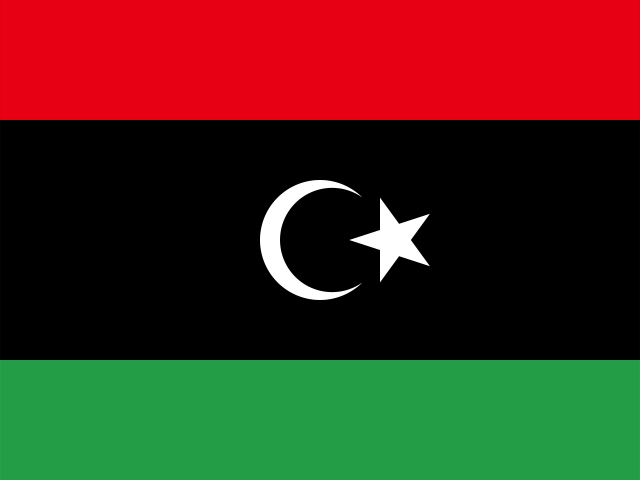
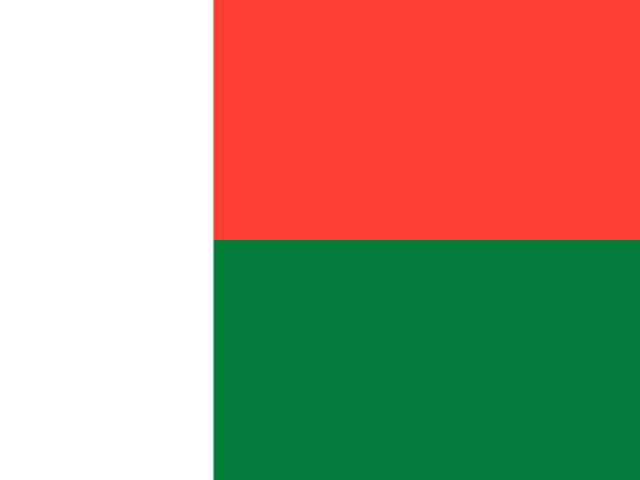
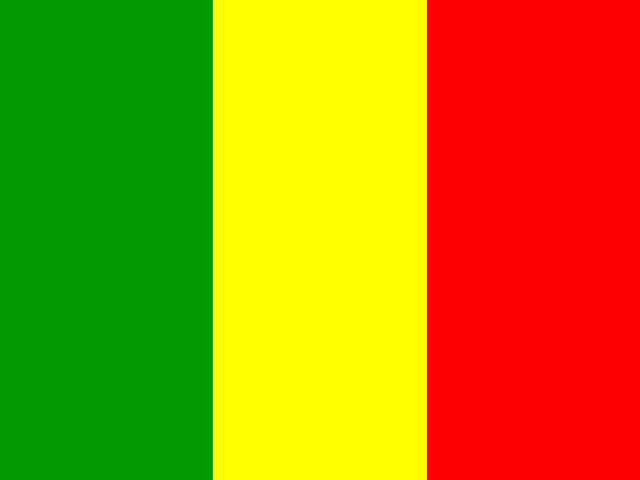
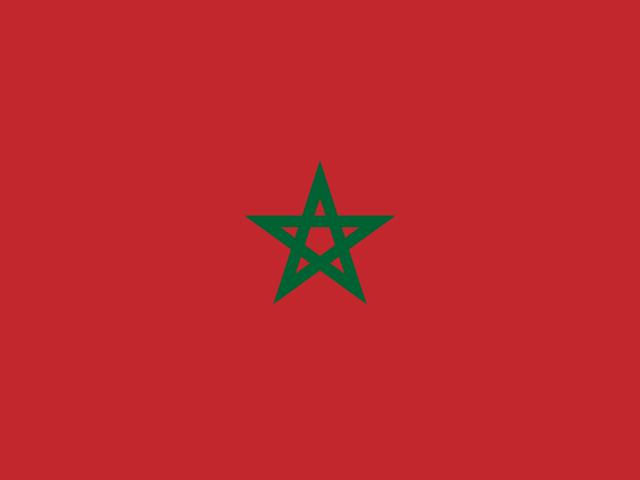
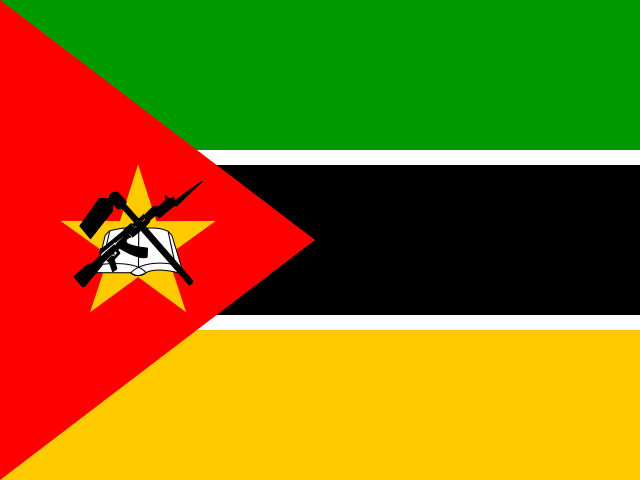
African flag recognition is easier in families than one by one. Pan-African red-gold-green tricolors trace back to Ethiopia and appear on Ghana, Senegal, Mali, Cameroon, Togo, and Guinea. Crescent-and-star designs cluster on Algeria, Tunisia, Mauritania, and Comoros. Symbol flags give satisfying wins: Mozambique's AK-47, Kenya's Maasai shield, South Africa's Y-shape. The classic confusion pair is Guinea and Mali: same vertical colors, reversed order.