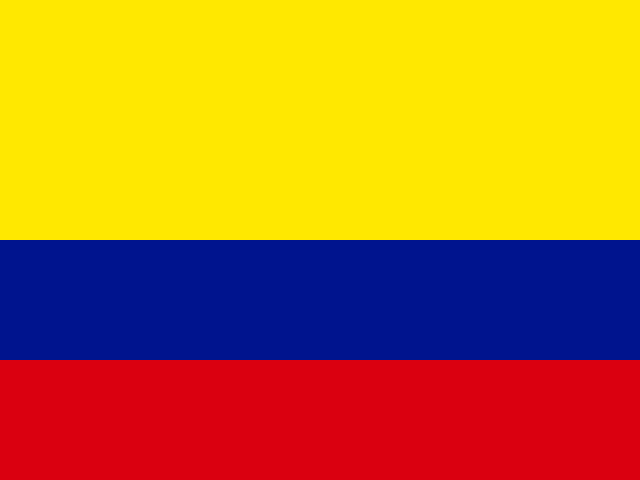
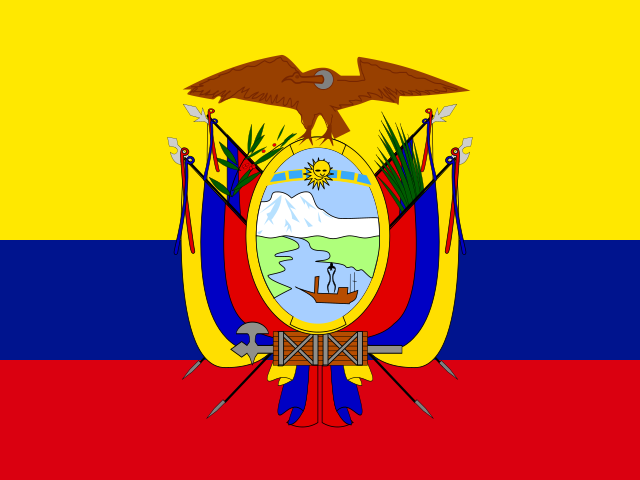
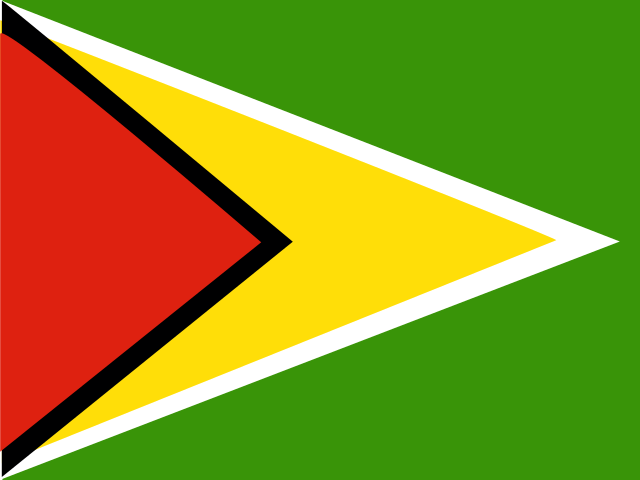
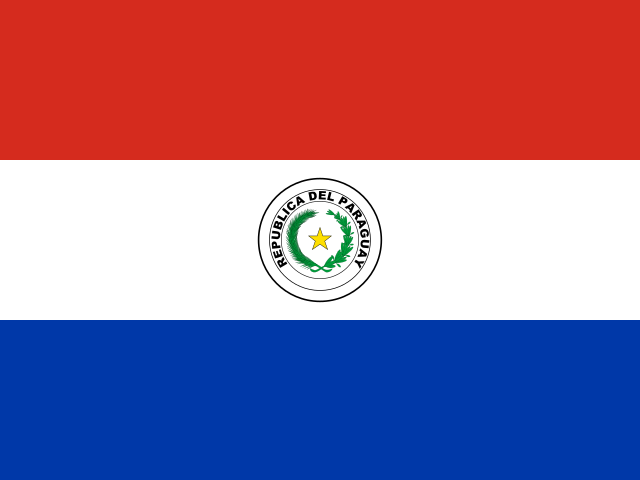
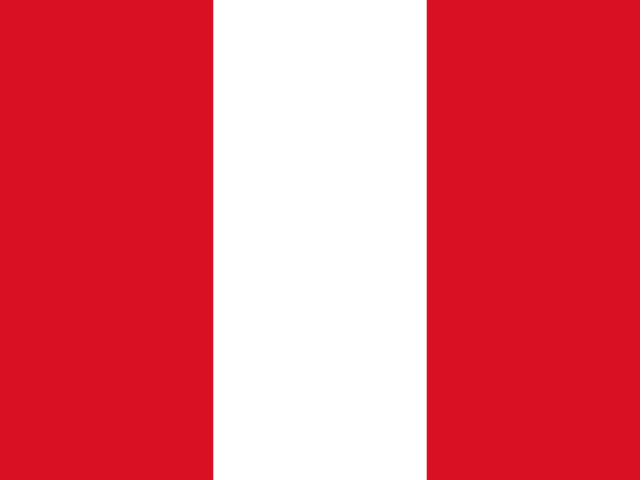
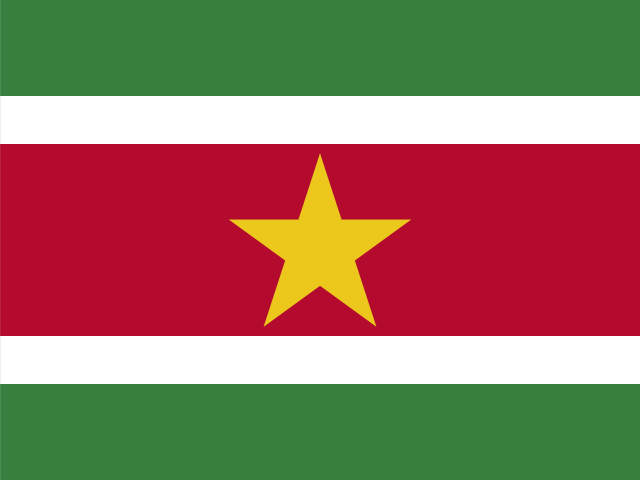
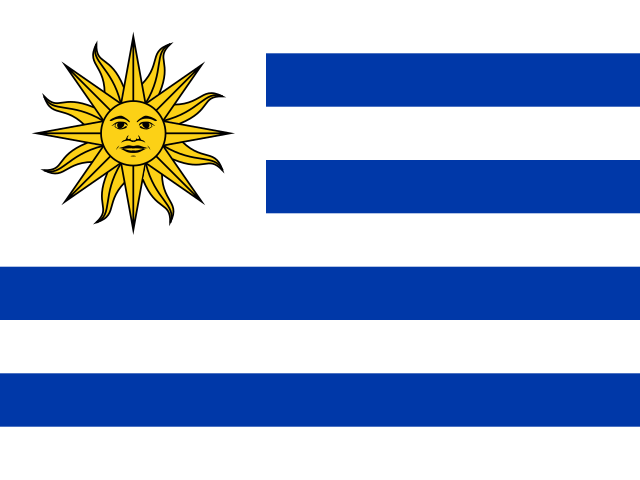
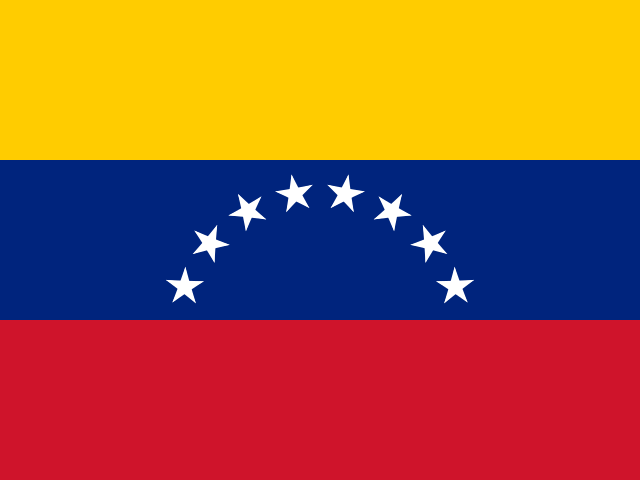
At a glance 12 countries across 4 geographic regions
South America's 12 sovereign countries fit a compact practice grid: the Andean west has 5, the Atlantic and Southern Cone set has 4, the Guianas coast has 2 sovereign countries, and the northern Caribbean-facing edge adds Venezuela. Suriname became independent in 1975, making it the newest sovereign country in this set, while French Guiana remains a French overseas department outside the count. The classic mix-ups are Guyana vs. French Guiana, Suriname vs. Guyana, and Uruguay vs. Paraguay.
Who plays it Built for classrooms, homeschoolers, and students
Teachers and homeschool families use this South America countries page for grades 4-10 social studies, world geography, Latin America units, and AP Human Geography review, especially when a printable companion needs an interactive practice screen. Middle school, high school, and college students use it for Geography Bee prep, Model UN, Model OAS, and AP World History review. Adults preparing for travel, Foreign Service, or civil-service exams can use it after the classroom path is covered.
How to learn Start with anchors, then fill regional clusters
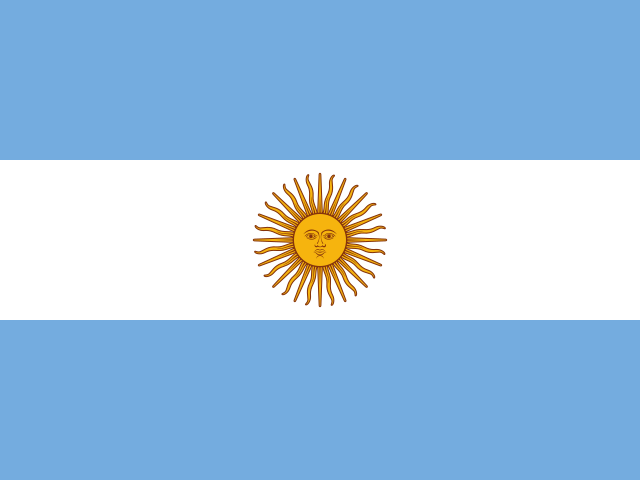
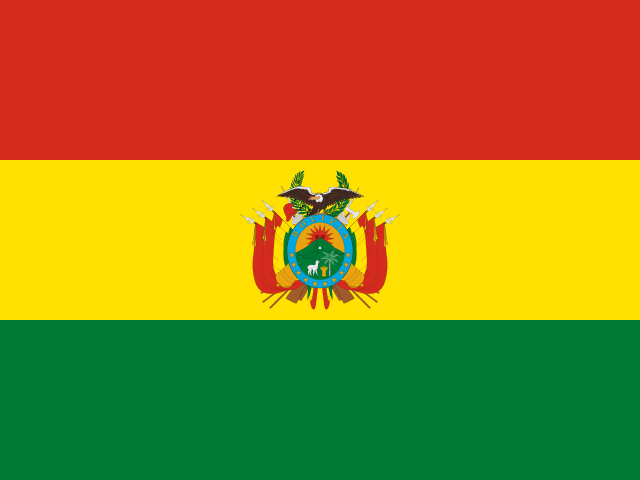
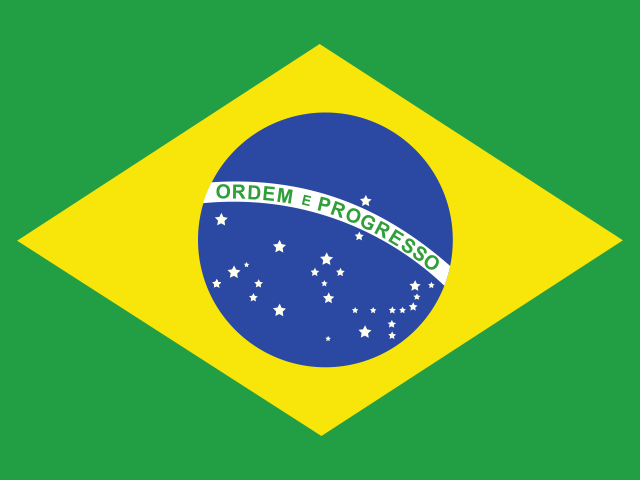
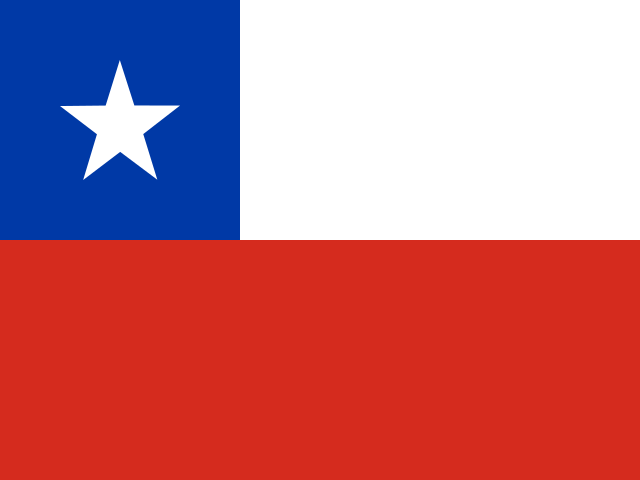
Begin with familiar anchors: Brazil, Argentina, Chile, Peru, Colombia, and Venezuela. From there, treat the Andes as a long western spine, linking Colombia, Ecuador, Peru, Bolivia, and Chile from north to south instead of memorizing scattered shapes. The easiest second pass is the Atlantic side: Brazil dominates the east, while Uruguay and Argentina sit below it around the Río de la Plata. The hardest stall usually comes in the northeast, where Guyana and Suriname and French Guiana are small, close together, and linguistically different from the Spanish-speaking majority. Stay in Spotter mode until you are hitting roughly 90% in a region, then graduate to Seeker.