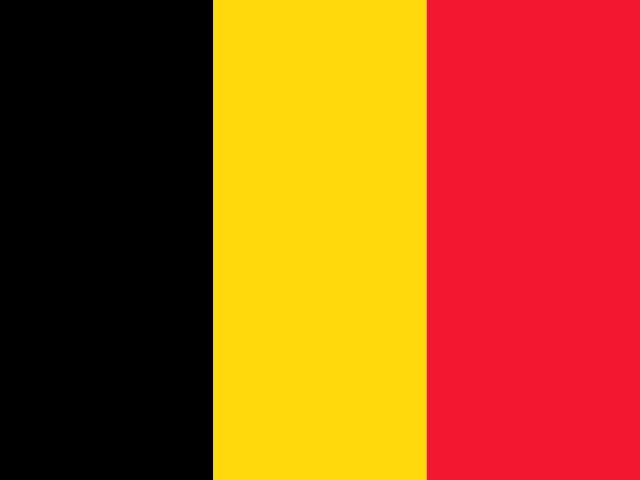
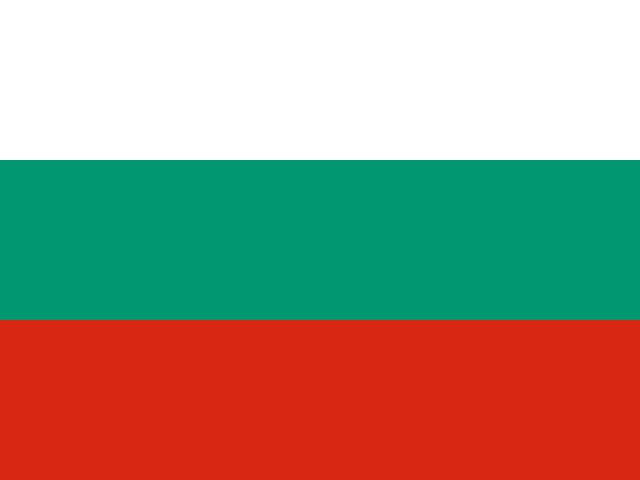
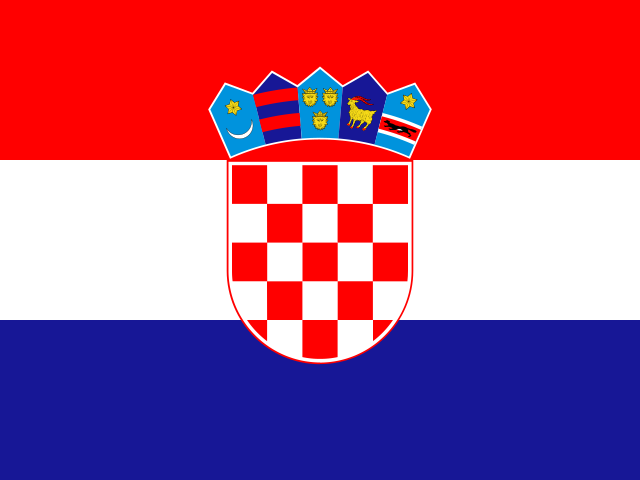
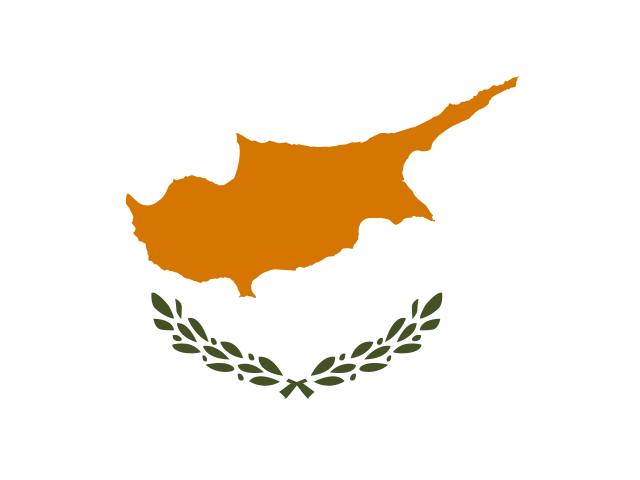
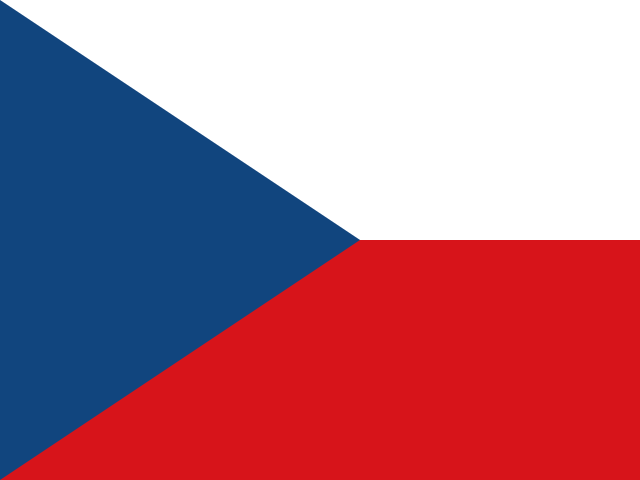
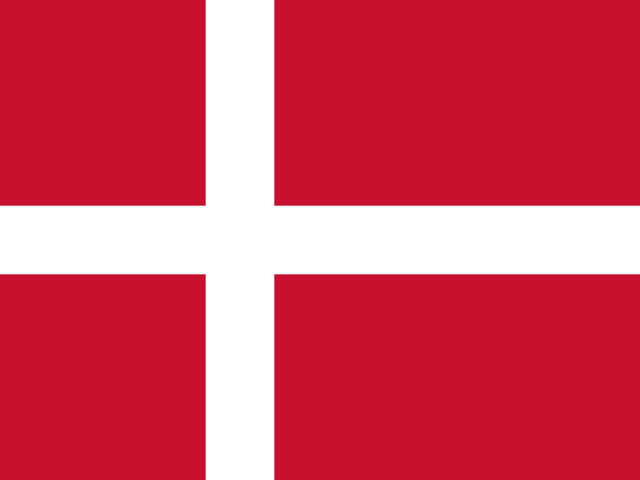
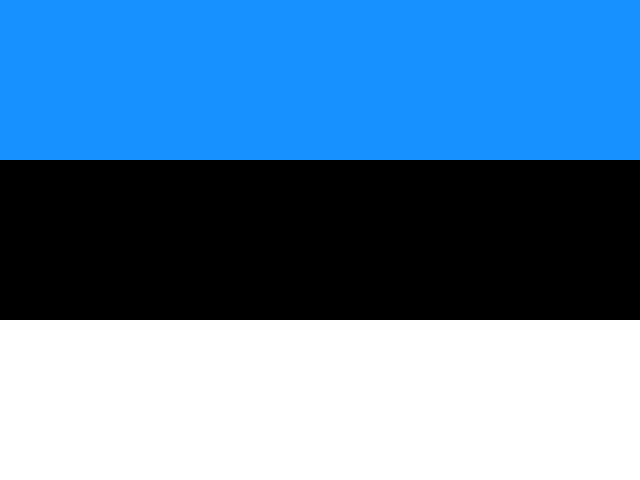
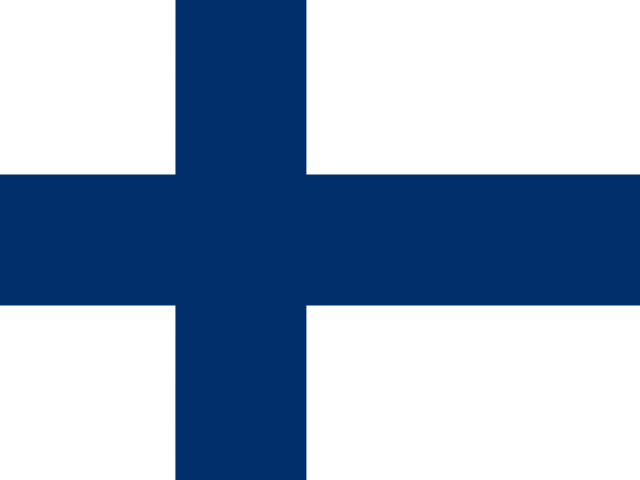
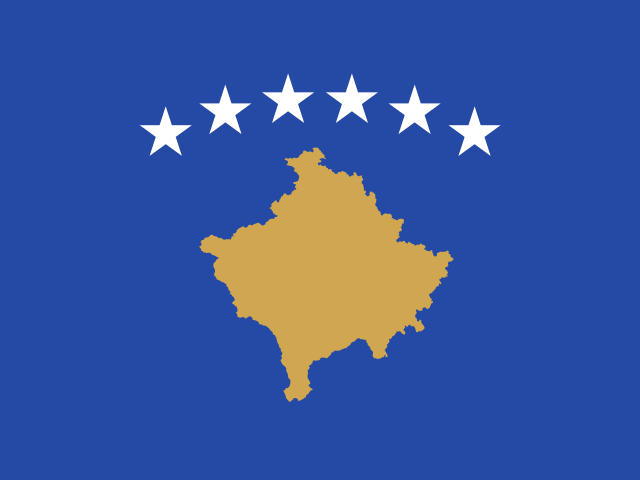
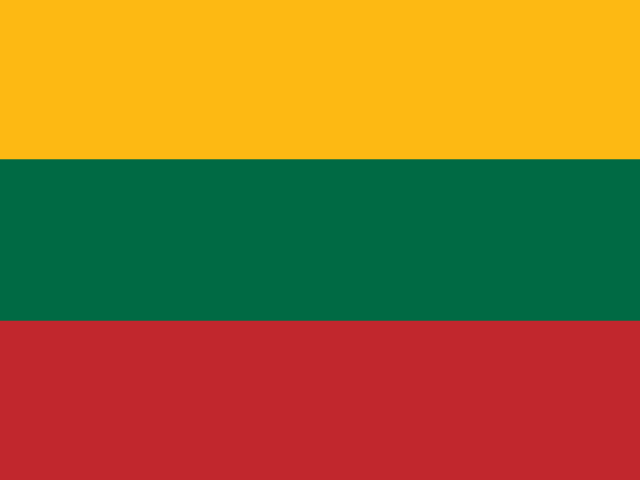
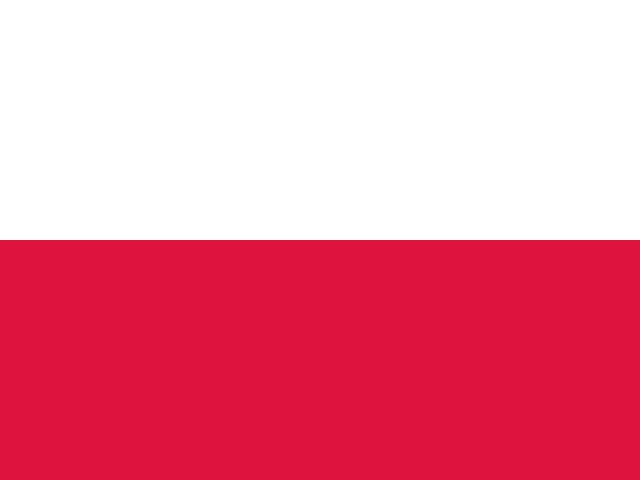
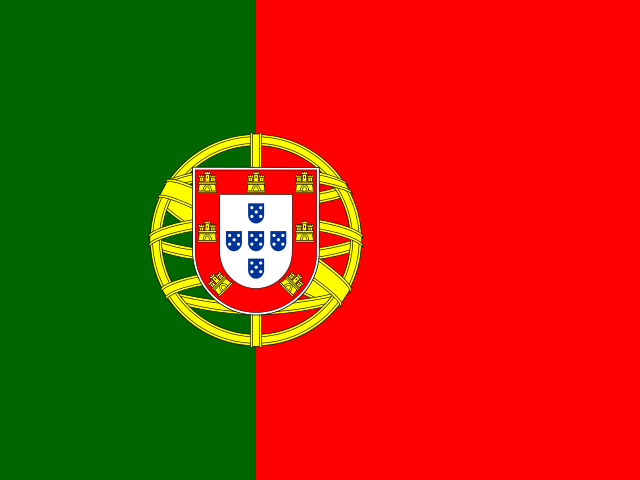
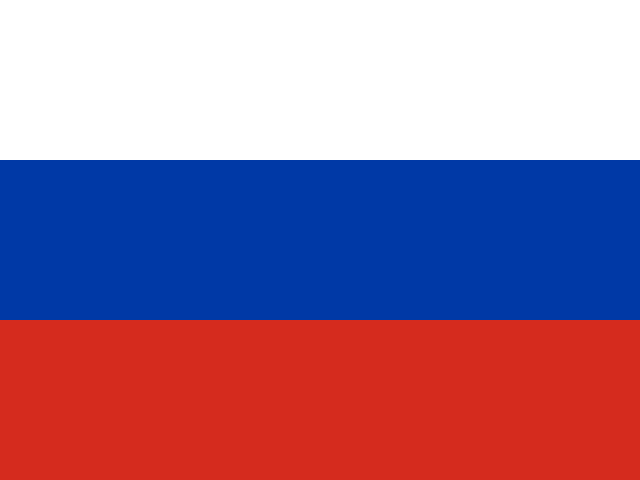
At a glance 50 flags across Nordic, tricolor, and heraldic families
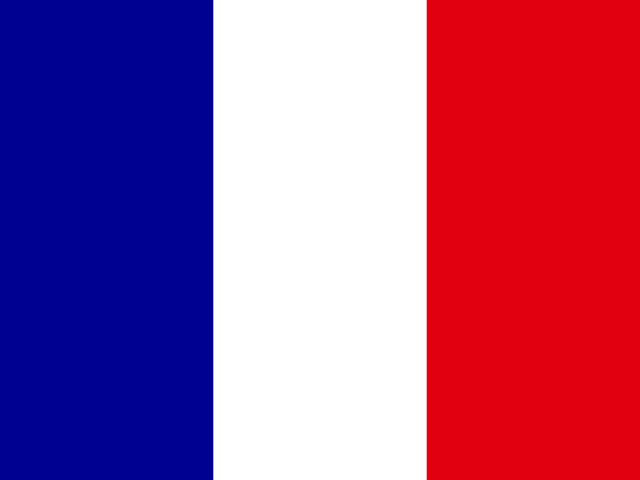
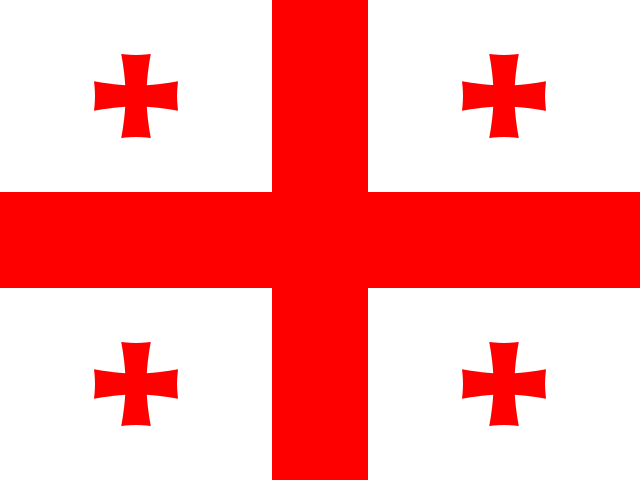
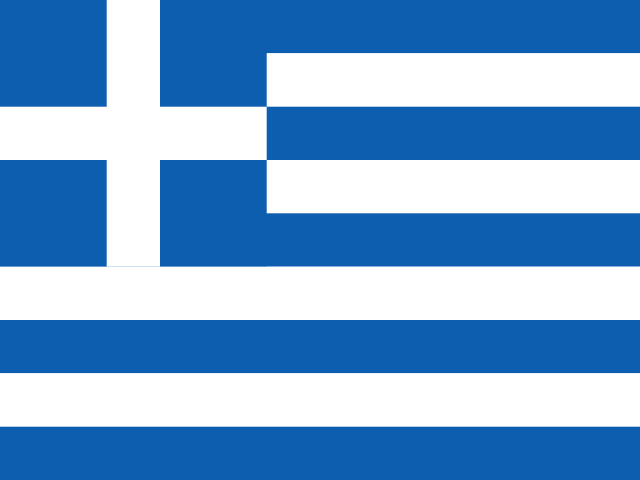
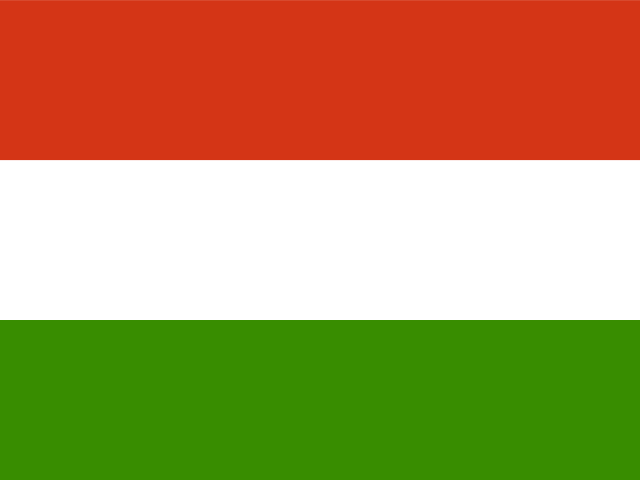
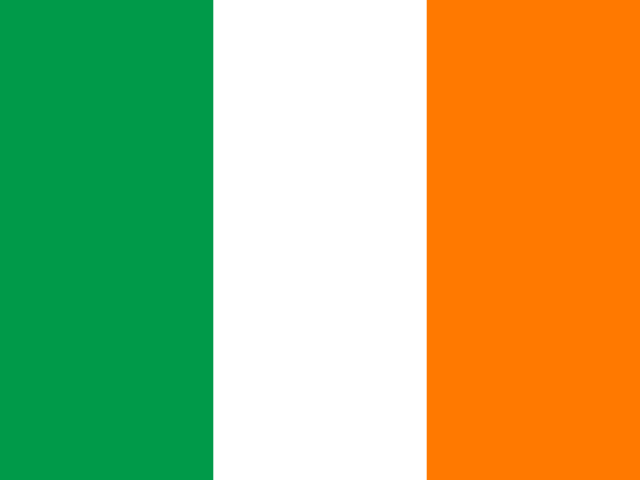
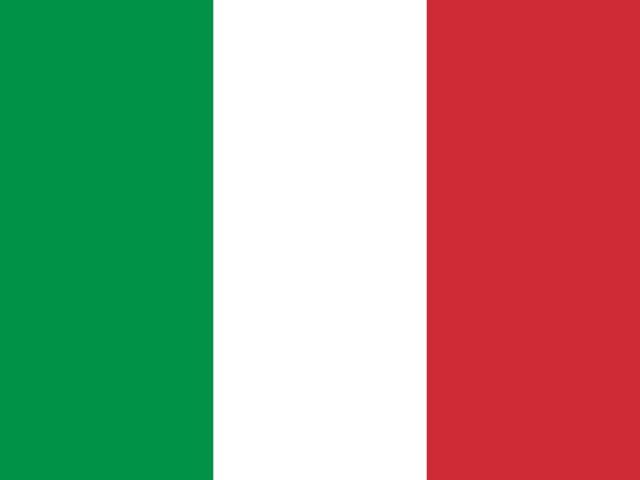
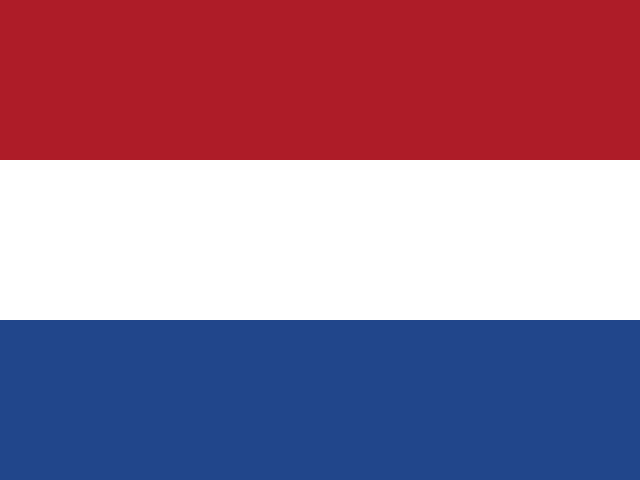
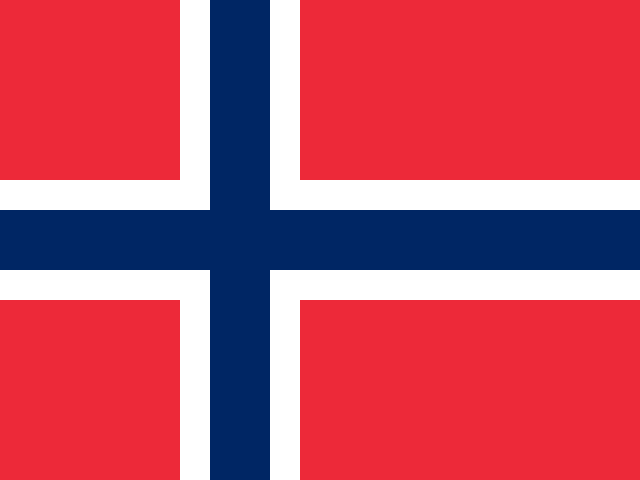
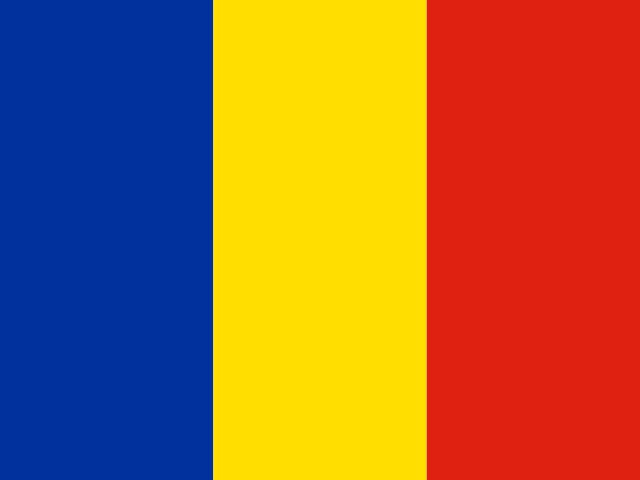
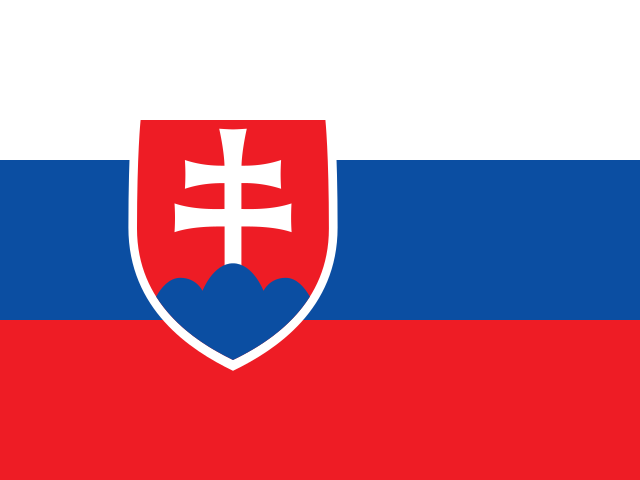
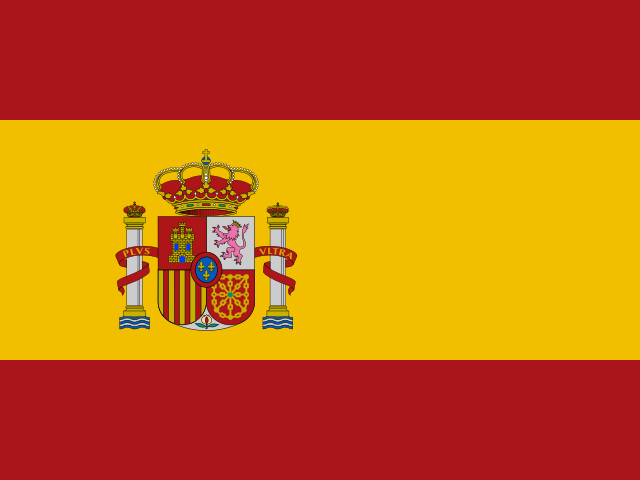
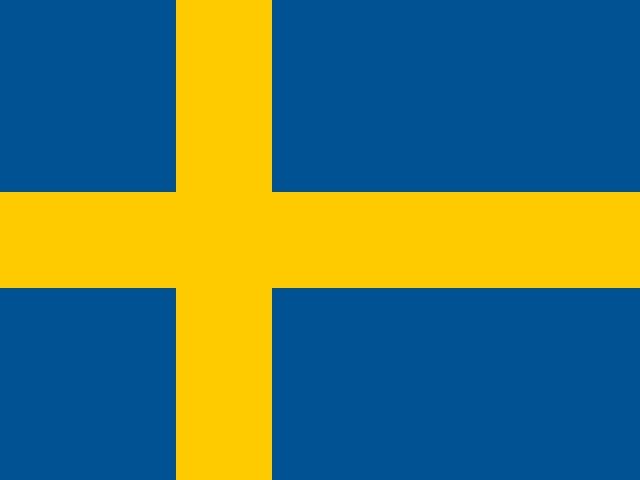
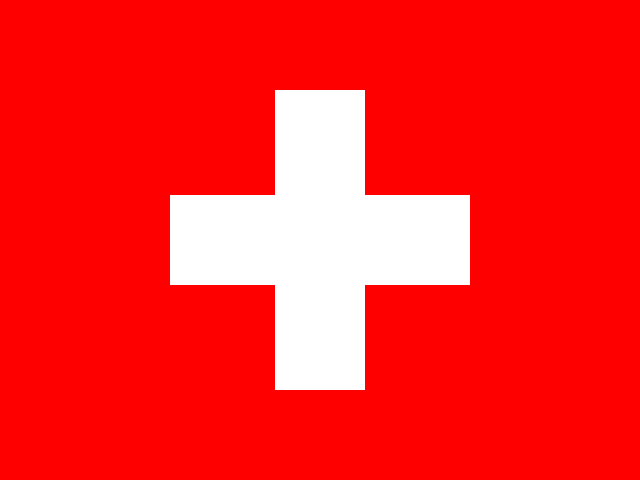
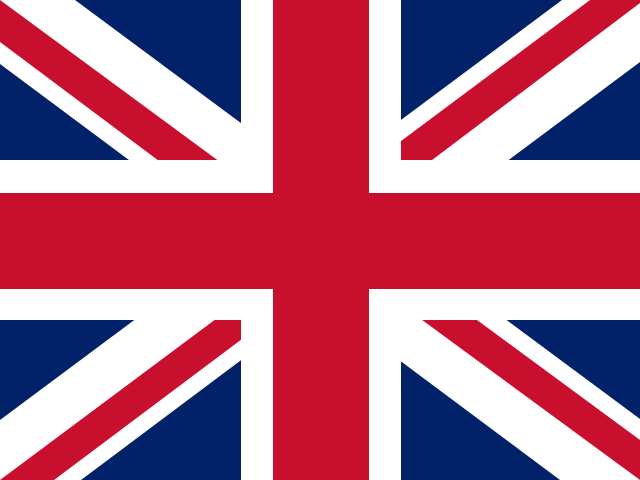
Nordic cross flags appear on Denmark, Finland, Iceland, Norway, and Sweden, a family rooted in Denmark's Dannebrog and repeated with different color pairs. Tricolor flags cover France, Italy, Ireland, Romania, Netherlands, and Luxembourg, while Greece combines a white cross with blue-and-white stripes. Symbol-led flags include Albania's black double-headed eagle, Montenegro's gold eagle, Switzerland's square white cross, Malta's George Cross, United Kingdom's Union Jack, and Vatican City's crossed keys. The tightest near-miss is Netherlands vs. Luxembourg: both are red-white-blue horizontals, but Luxembourg uses a lighter blue and different proportions.
Who plays it For classrooms, homeschoolers, and culture students
Teachers and homeschool families use European flags in world geography, European history, language and heritage units, and Olympic or Eurovision classroom tie-ins because designs open a concrete conversation about identity and symbolism. Students use the game for Geography Bee, Model UN, Model EU, and AP coverage of the continent. Sports fans watching UEFA tournaments, World Cup qualifiers, Olympic ceremonies, and vexillology enthusiasts fit naturally here too.
How to learn Learn by flag family, then drill confusion pairs
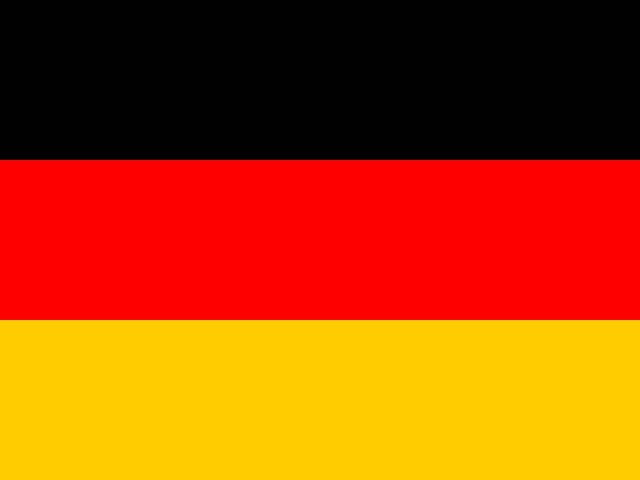
Sort into families first. Start with the Nordic cross cluster, using Denmark as the anchor before drilling Sweden, Norway, Finland, and Iceland by color pair. The tricolor group forms a neat second bundle: separate vertical flags such as France, Italy, Ireland, and Romania from horizontal flags such as Netherlands, Luxembourg, Germany, and Hungary. Symbol flags give satisfying wins: Albania, Switzerland, Malta, United Kingdom, and Vatican City. Finish with confusion pairs: Netherlands vs. Luxembourg by blue shade and proportion, then Slovakia vs. Slovenia by the shield details. Use Master mode last, when you can name the country from the flag without leaning on answer choices.